- 1
Scarce. Its supply must be limited enough for people to value it.
- 2
Divisible. It must work for purchases of different sizes.
- 3
Store of value. It should let people save purchasing power for later.
Start with the problem
Before money, how did two people exchange value when their needs did not match?
- 1
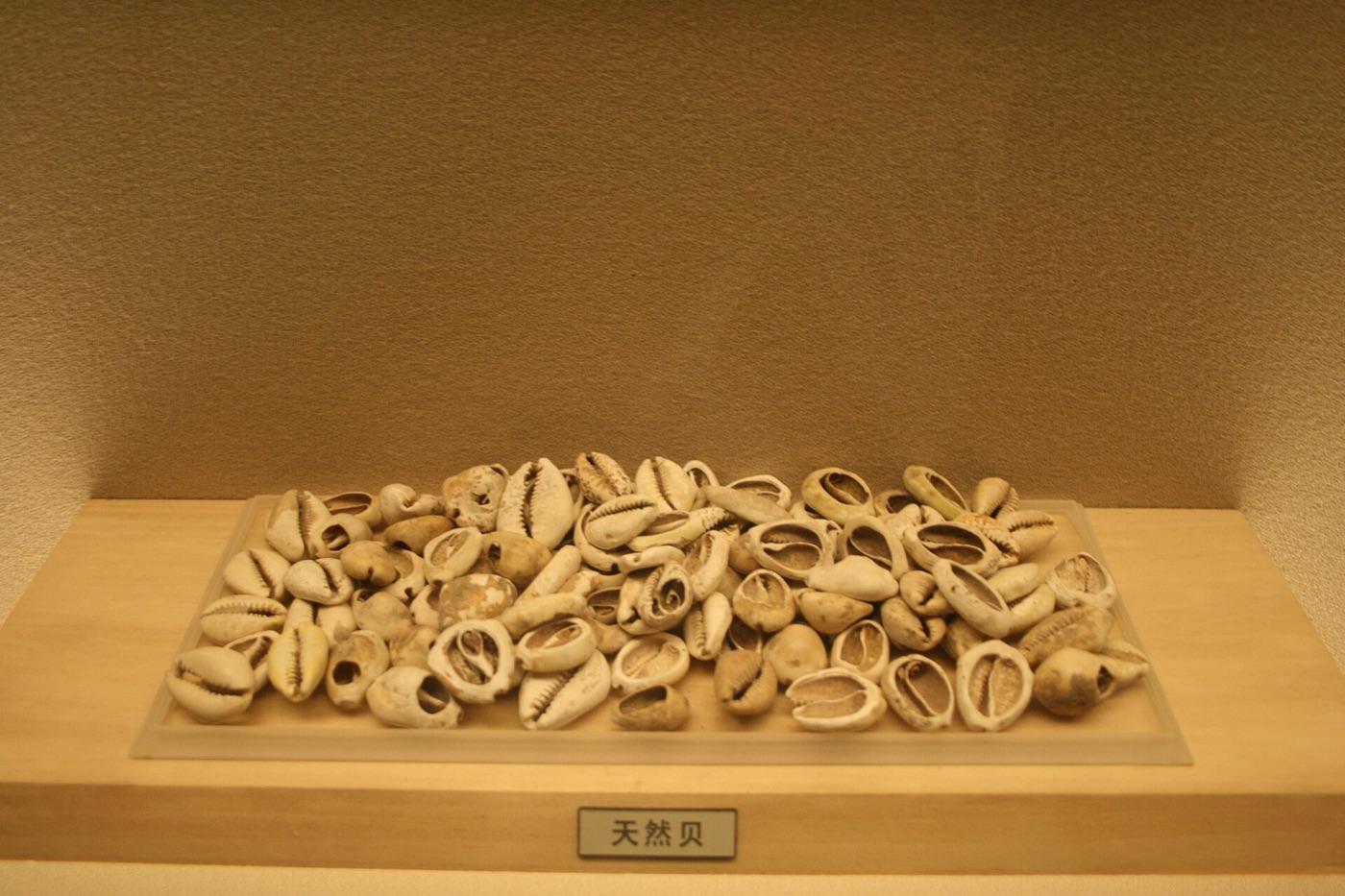
Cowrie shells. From the Indian Ocean; circulated across this region for centuries.
- 2
Salt. Traded like money across the Sahel.
- 3
Manillas. Brass bracelets used in the Atlantic trade and the slave trade. Legal money in colonial Nigeria until 1948–1949.
- 4
Asante gold dust. Weighed with brass gold weights called abrammuo; hence the Gold Coast.
The next problem
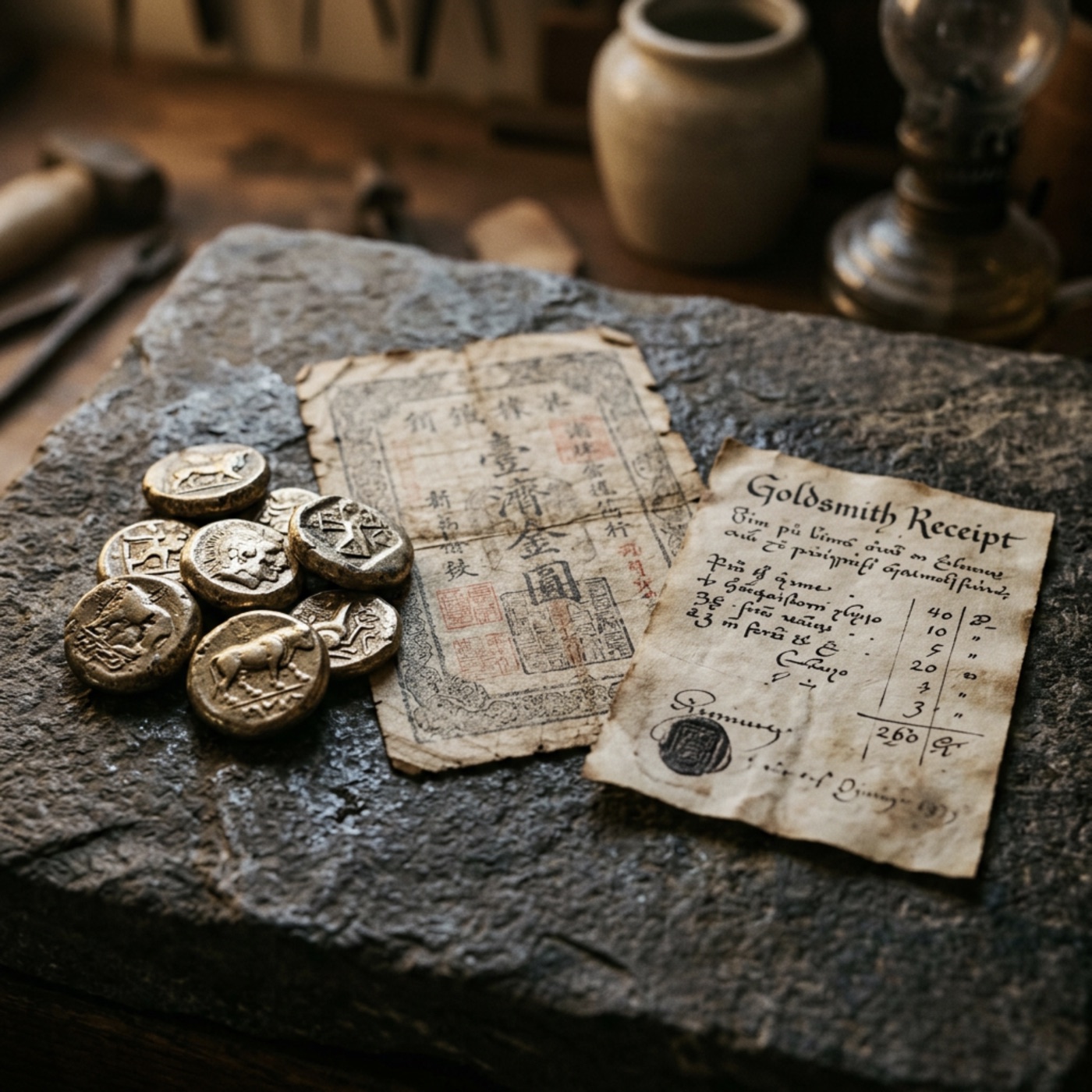
Gold has value, but weighing it at every trade and carrying it between towns are difficult. What changes?
- 1
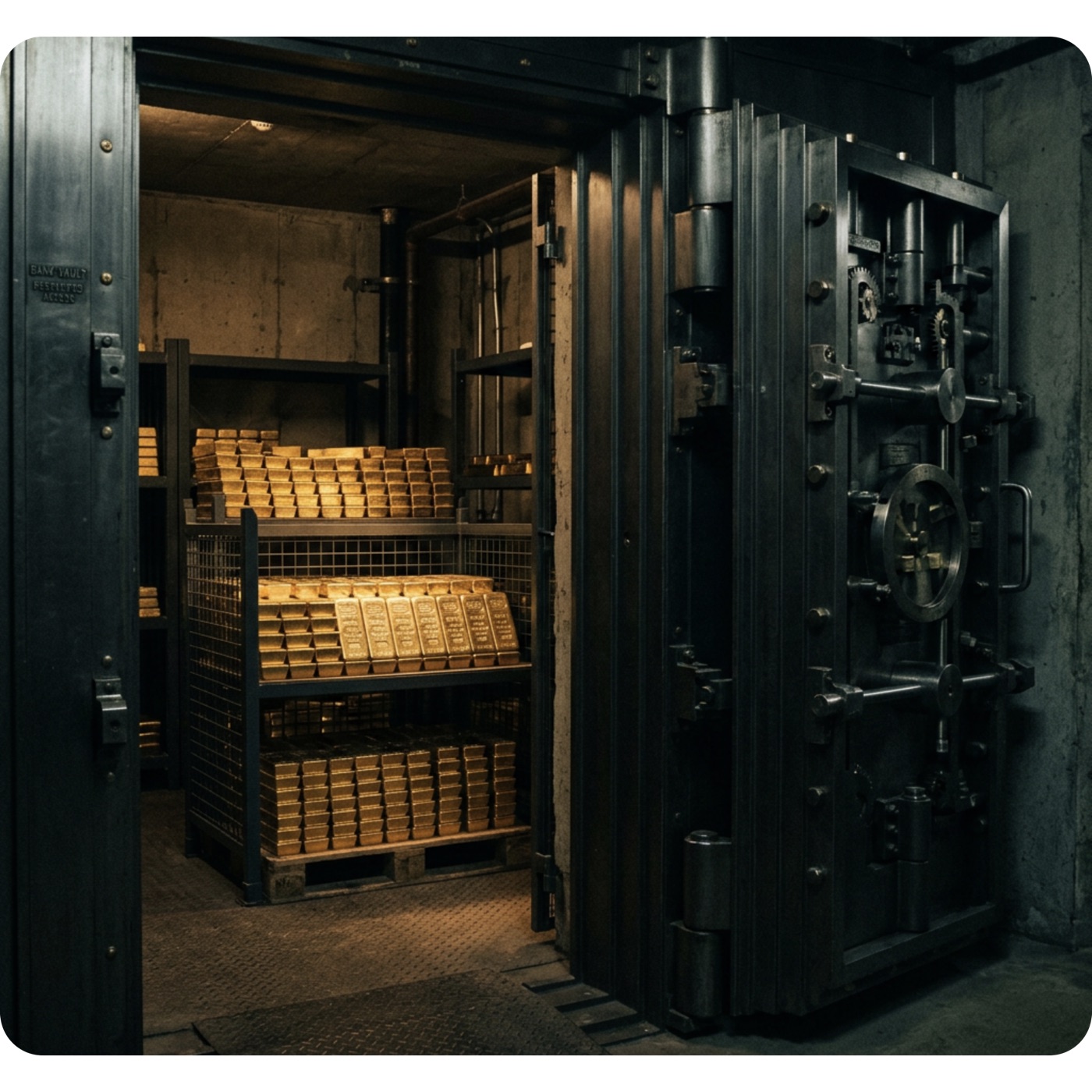
Deposit. Bank A locks his gold in its vault.
- 2
Receipt. The bank signs a note promising that gold to its bearer.
- 3
Travel. He carries paper; Bank B pays him, then settles with Bank A.
- 4
Circulate. Once sellers trust the note, the claim on money becomes money.
The next question
A note is easier to carry than gold. But how does its holder know the promise will be honoured?
- 1821
Britain resumes gold convertibility.
- 1870s
Germany and most major economies follow.
- 1900
The US writes it into law.
The next problem
A fixed gold value builds confidence. What happens if a bank owes more than it can pay on demand?
- 1
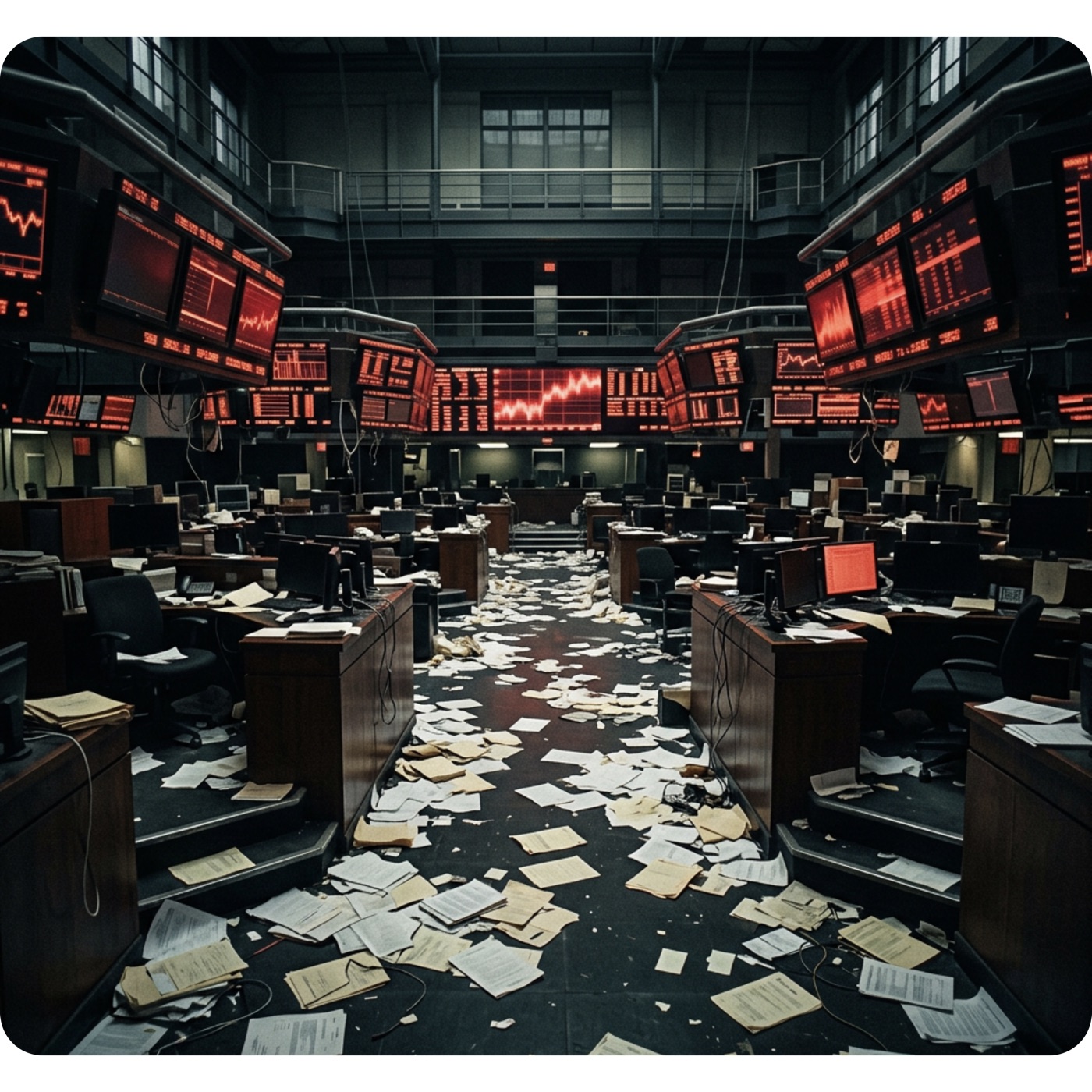
More credit. Most depositors did not redeem their notes at the same time.
- 2
The run. When fear spread, everyone asked for gold, and the vault could not meet every claim at once.
- 3
The response. After repeated panics, especially in 1907, the US created the Federal Reserve in 1913.
The next question
The Fed could support US banks in a panic. How could countries settle with one another?
- 1
44 countries. Delegates met in New Hampshire in July 1944.
- 2
The dollar. Other currencies fixed their exchange rates to it.
- 3
Gold. Foreign monetary authorities could convert dollars at $35 an ounce.
The next problem
The system works while foreign governments trust the dollar's gold promise. What if there are too many dollars?

- 1
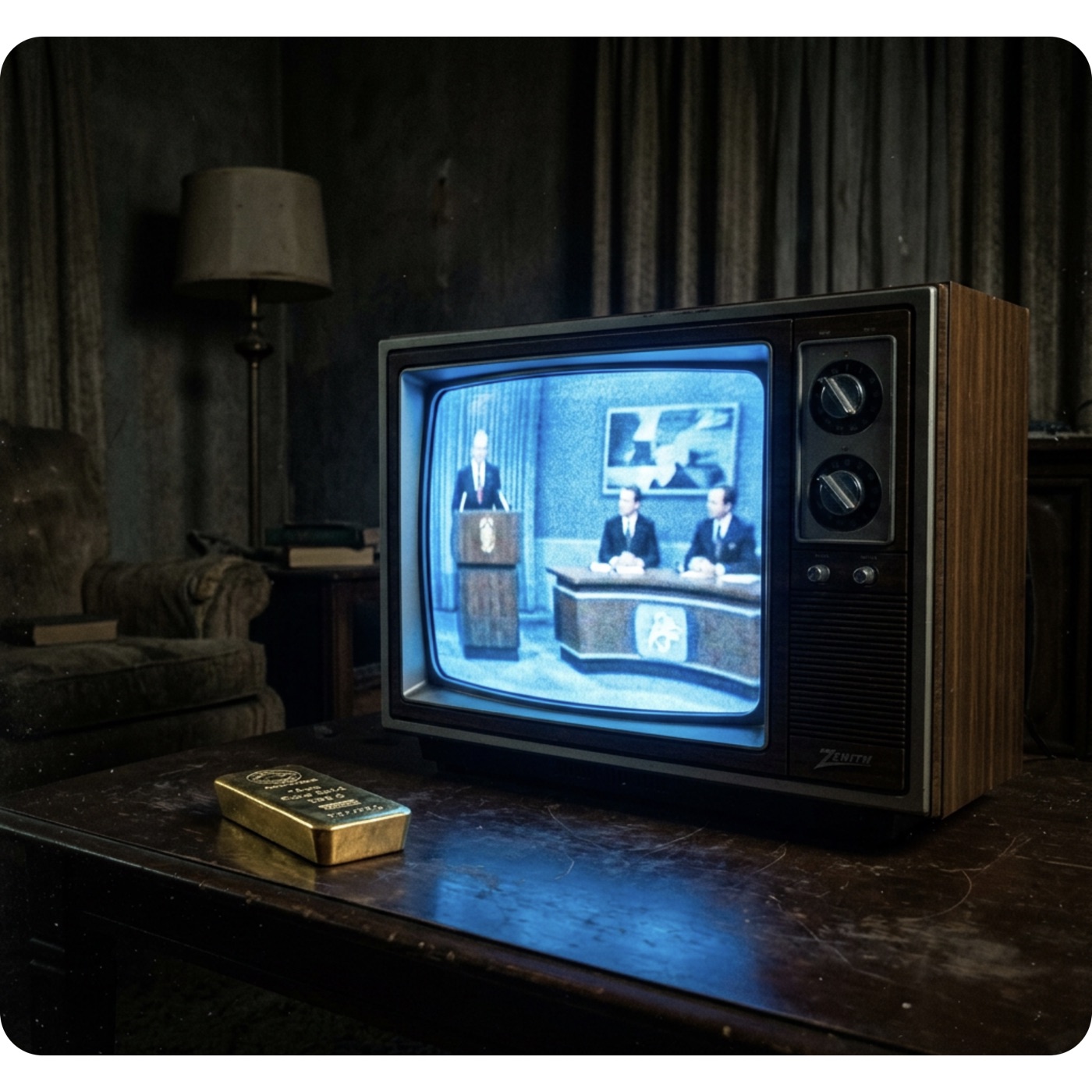
Gold window closed. Foreign central banks could no longer redeem dollars for gold.
- 2
Policy discretion. Government and central-bank decisions could expand the supply.
- 3
Currency debasement. Too many new dollars can weaken purchasing power and fuel inflation.
The debasement problem
Who decides how much money to create when a crisis hits?
- 1
Bailouts. The US alone approved 700 billion dollars through TARP.
- 2
Rates near zero. Central banks cut interest rates sharply.
- 3
Quantitative easing. Central banks created money to buy bonds.
The next question
Those choices helped contain the crisis. Could a currency resist debasement through a fixed supply rule?
- 1
Fixed issuance. New coins follow a schedule that ends near 21 million.
- 2
No discretionary debasement. One authority cannot issue extra coins beyond the rules.
- 3
The tradeoff. A fixed supply does not guarantee a stable price or purchasing power.
The next problem
Bitcoin limits supply debasement. What if a trader needs digital money with a steadier price?

- +77.5%
rise in cross-border stablecoin transfers in the year to June 2026.
- ~$220bn
in cross-border transfers.
- ~$3,000
average payment.
The next question
Private issuers now promise digital dollars. What does a central bank offer in response?
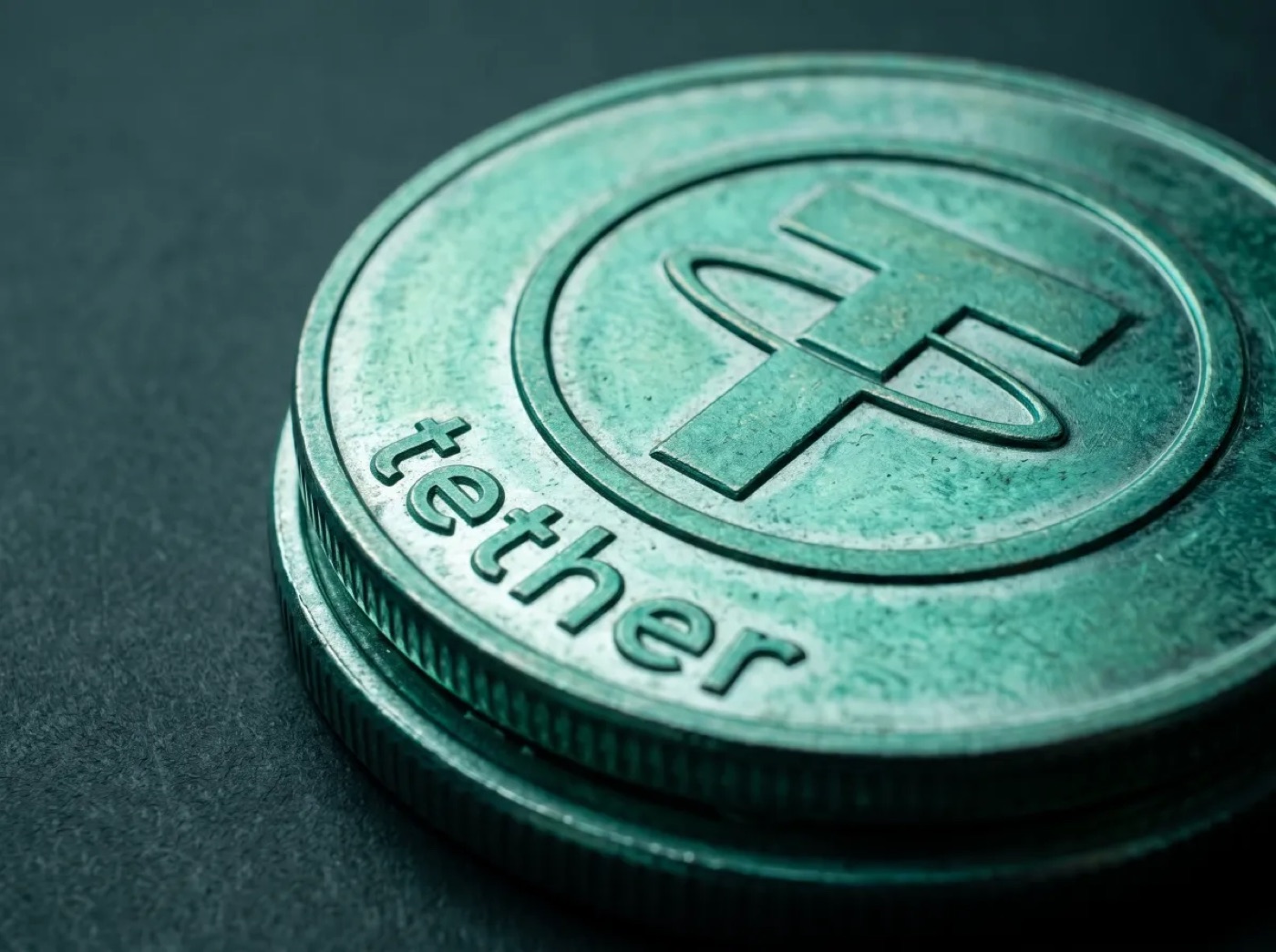
- 146
countries are exploring one, covering more than 98% of world GDP.
- 3
have fully launched: the Bahamas (Sand Dollar), Jamaica and our neighbour Nigeria (eNaira, 2021).
Bring the story together
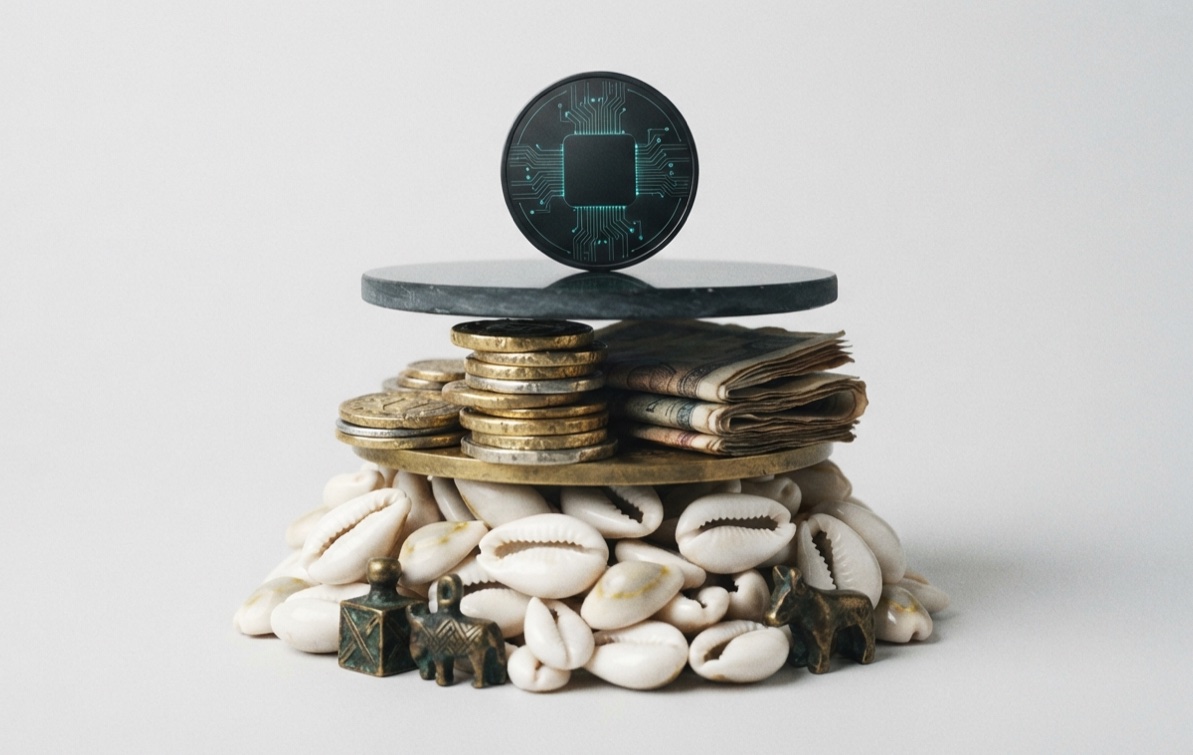
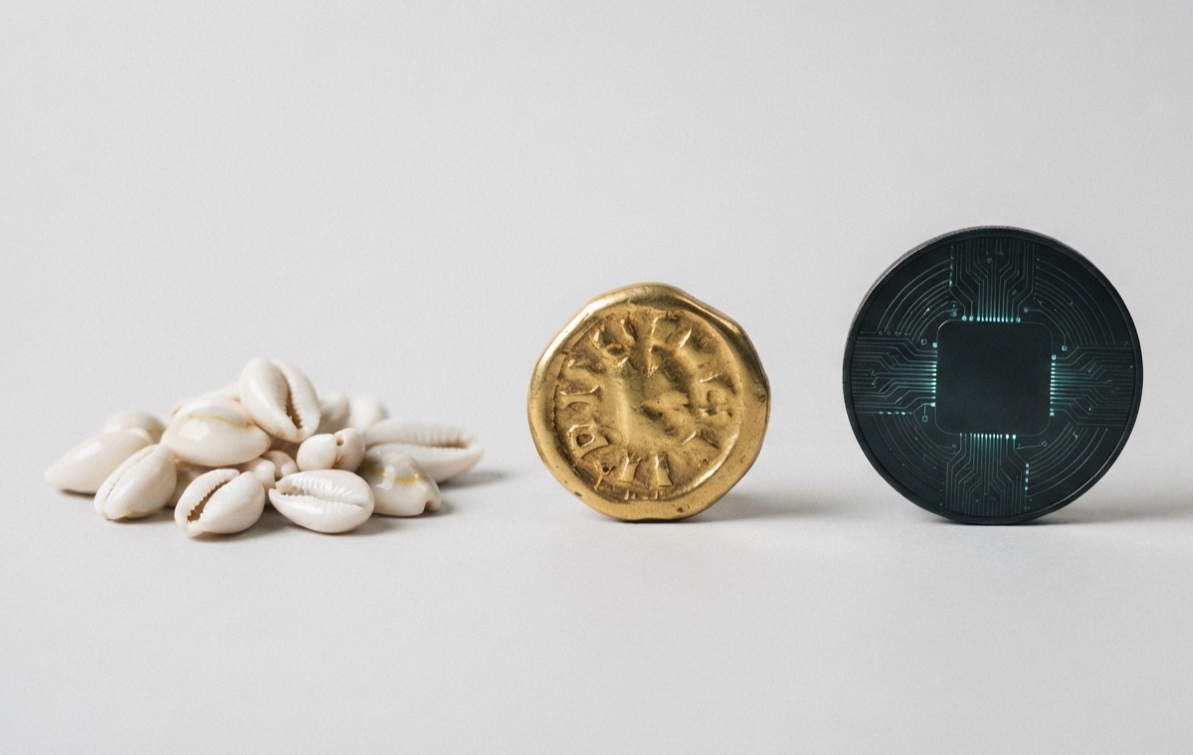
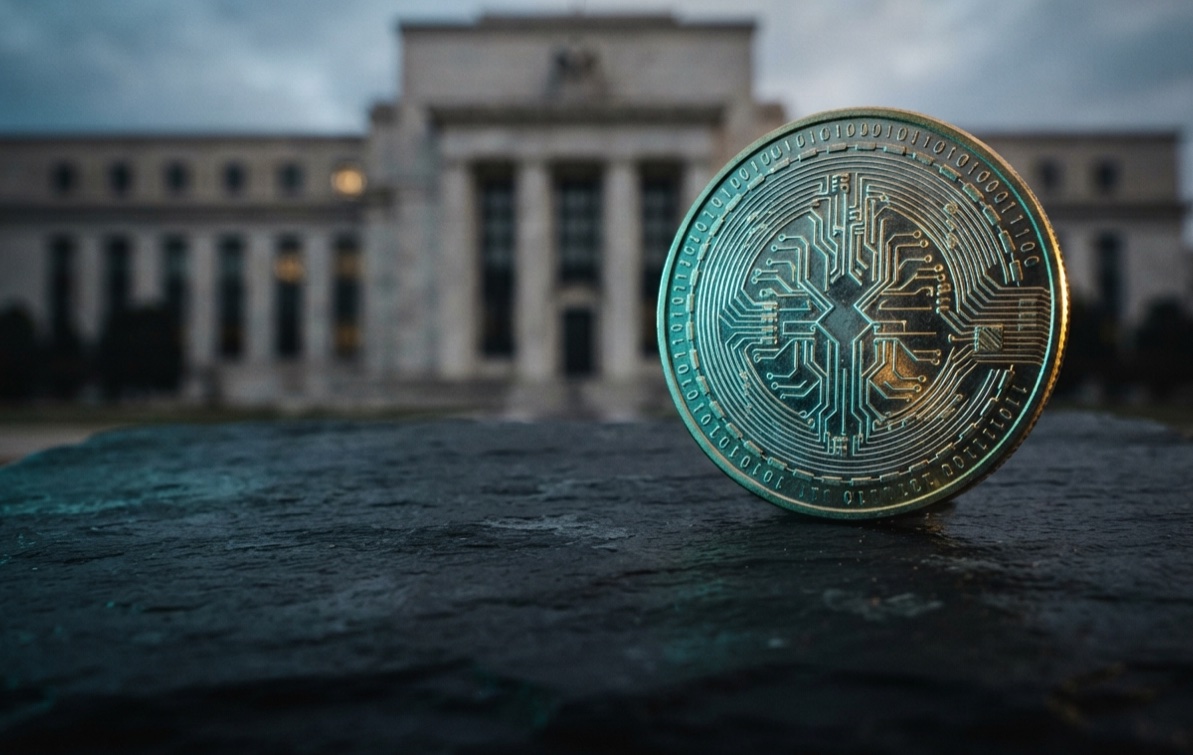
These forms of money can coexist. What changes each time is who makes the promise and why we trust it.
- 1
Things. Cowries, salt and Asante gold dust you could weigh in your hand.
- 2
Institutions. Banks wrote the promises. Central banks and governments later shaped money through the gold standard, the Fed, Bretton Woods and the Bank of Ghana.
- 3
Code. Bitcoin's fixed supply, stablecoins and smart contracts. Central banks also use code for CBDCs.
One question to take away
When value moves, what or whom are you trusting to honour the other side?